The world of personal health technology is evolving rapidly, and the newest iterationWearable Tech 3.0, is transforming innovation well beyond the simple step counters and heart rate monitors that were included in the first generation of products. As the desire for ever-smarter, more accurate, and more personalized health tools increases, Wearable Tech 3.0 brings a set of completely new kinds of devices that SanVagri calls deep health insight, early disease detection and real-time analytics. Smartwatches were just the start; the next wave includes smart rings, biometric patches, smart clothing, more advanced earbuds and even micro-sensors that merge seamlessly into daily life.
What Is Wearable Tech 3.0?
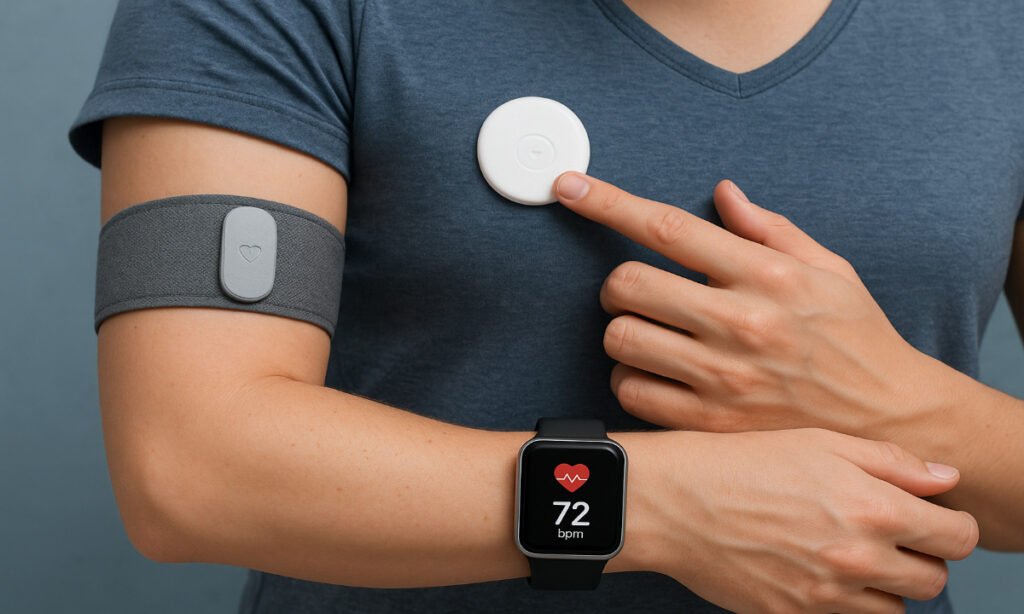
Wearable Tech 3.0 enables a new class of intelligent health monitoring systems that extend traditional wearables such as smart watches and fitness bands. These products combine sophisticated sensing hardware, AI-based analytics, and real-time streaming to monitor an array of biometric data. They’re meant to give deeper insights into the human body—much more in depth than what’s on the surface with previous generations of wearables.
Wearable Tech 3.0 products can monitor:
- Blood oxygen and hydration levels
- Body temperature trends
- Metabolic rate and calorie burn
- Sleep cycles and recovery
- Blood glucose (non-invasive)
- Stress, mood, and cognition patterns
- Respiration and cardiovascular data
Also read- Autonomous Delivery Drones: The Future of Logistics
How Wearable Tech 3.0 Works
1. Advanced Biometric Sensors
Novel sensors embedded in rings, patches, earbuds, and garments track subtle body states—such as glucose levels, postural adjustments, or stress reactions—by measuring skin temperature, muscle contractions, blood flow, and neural activity.
2. Artificial Intelligence Integration
The user’s data is processed by AI algorithms that identify patterns that the user may be unaware of. Take, for example, artificial intelligence (AI) that can predict dehydration, detect early indicators of respiratory infections, or monitor disrupted sleep patterns.
3. Real-Time Monitoring
Wearable Tech 3.0 products offer the potential for 24/7 monitoring and real-time feedback on apps or notifications, so users can be constantly informed of their health status or potential areas for improvement.
4. Cloud-Based Data Storage
The majority of devices are connected to cloud-based platforms that store long-term health data, which can assist in detecting trends over time and can be shared with healthcare professionals when necessary.
5. Seamless Device Integration
Wearables now sync with smartphones, smart homes and digital healthcare apps to deliver a fully integrated health ecosystem.
Why Wearable Tech 3.0 Is a Major Breakthrough
WearablesTech 3.0 is no longer just monitoring but it is now predictive and preventative health. It turns wellness from a thing people react to into a thing they obsessively manage.
1. More Accurate Health Insights
Conventional wearables allow for coarse estimates. Wearable Tech 3.0 leverages medical-grade sensors and AI analytics to deliver more accurate, clinically actionable insights.
2. Early Detection of Health Issues
Sleep is a good example of a bodily function that is monitored on a continuing basis for the early identification of problems such as sleep apnea, hypertension, arrhythmia, and stress.
3. Non-Invasive Tracking
Many of the instruments in your medicine cabinet gather data non-invasively and can be used over a long period of time.
4. Personalized Guidance
Instead of generic advice, users are offered personalized recommendations based on how their individual body reacts and on their lifestyles and habits.
5. Enhanced Mental Wellness
A few instruments track breathing, brain waves or stress, and allow their owners to train up their brain health.
Also check- AI-Powered Personal Assistants 3.0: The Next Evolution
Types of Wearable Tech 3.0 Devices
1. Smart Rings
Smart rings monitor heart rate variability, sleep stages, body temperature fluctuations, and recovery scores. Their small size makes them inconspicuous and suitable for wearing all day.
2. Biometric Patches
Skin patches can keep on monitoring glucose levels, hydration, cortisol and muscle activity, and they stick like a bandaid. They are easy to use for athletes and the diabetic and wellness communities.
3. Smart Clothing
Textile-based sensors integrated into clothing can track posture, breathing, performance during sports, and even the onset of tiredness.
4. Neurotech Earbuds
The earbuds decodes brain waves, Focuse levels, and Stress signals, Provides information on cognitive health and mental productivity.
5. Medical-Grade Wearables
Those cleared for clinical use—such as the Fitbit Sense and Apple Watch Series 6, which have new FDA-approved ECG functionality—track ECG, blood pressure, respiratory rates, and more, and can help monitor patients with chronic illnesses.
Real-Life Applications of Wearable Tech 3.0
1. Chronic Disease Management
Wearable Tech 3.0 also enables people with diabetes, high blood pressure, and heart disease to track vital signs in real time, so they can avoid emergency visits and have better results.
2. Fitness and Athletic Performance
Athletes assess muscle fatigue, hydration, respiration, and recovery with wearable technology, fine-tuning training regimens and avoiding injury.
3. Women’s Health Monitoring
Premium wearables can track menstrual health, ovulation cycles, metrics on pregnancy, and hormonal variations, allowing advanced knowledge of reproductive wellness.
4. Stress Management and Mental Health
Certain devices that track stress signals, breathing patterns, and mental workload allow users to manage fear and increase emotional balance.
5. Healthy Workplaces
Businesses are turning to wearables to equip their staff with stress-busting, posture-improving, productivity-boosting and generally healthier lifestyle advice.
6. Telehealth and Remote Monitoring
Doctors rely on data from Wearable Tech 3.0 to monitor patients’ health without meeting them face-to-face.
Challenges Facing Wearable Tech 3.0
Despite that, the Wearable Tech 3.0 still has some barriers to face including:
- Concerns over data privacy
- Different levels of accuracy by brands
- Cost and access
- Battery limits
- Regulatory approval is required for medical features
But these barriers are consistently being broken down by rapid innovation and mass adoption.
FAQs
1. What differences from previous releases justify Wearable Tech 3.0 accolades?
There is more in-depth biometric tracking, smarter AI insights, and more precise health data that normal smartwatches.
2. Can you detect disease early with Wearable Tech 3.0?
Yes. Early signs of health problems can be detected by continuous monitoring and AI analysis before symptoms manifest.
3. Smart rings or smartwatches, which one is better?
Smart rings are generally more accurate for sleep and temperature monitoring as the sensors have better contact.
4. Is Wearable Tech 3.0 for the doctor?
Some products can be configured for a medical environment, in particular for chronic care in the home.
5. Do these gadgets protect my data?
Most brands’ good reputation is their priority, security and encryption none the less review Privacy Settings.
Conclusion
Wearable Tech 3.0 is a breakthrough in personal health tracking, taking wellness products to a whole new level past the rudimentary functions of the smartwatch. Thanks to smart sensors, AI-powered insights, and constant monitoring, these gadgets provide a more comprehensive view of the body. From early prediction of health problems to enhancement of fitness and mental wellness, Wearable Tech 3.0 is changing the way people maintain their health. With advancing technology, wearable devices will be more powerful, personalized, and embedded in daily life—with a future of proactive healthcare management for everyone.