In today’s world, energy efficiency and sustainability are no longer just trends—they are necessities. With rising energy costs and increasing environmental concerns, homeowners are looking for smarter ways to manage energy consumption. This is where smart home energy management comes into play. By leveraging technology, homeowners can monitor, control, and optimize energy usage, saving money while reducing their environmental footprint.
In this article, we’ll explore what smart home energy management is, the benefits it offers, key technologies involved, and practical tips for implementing an effective system.
What Is Smart Home Energy Management?
Smart home energy management refers to the use of connected devices, software, and sensors to monitor and control energy consumption in a residential setting. Unlike traditional homes, where energy usage is mostly reactive, smart homes allow homeowners to proactively manage electricity, heating, cooling, and appliances.
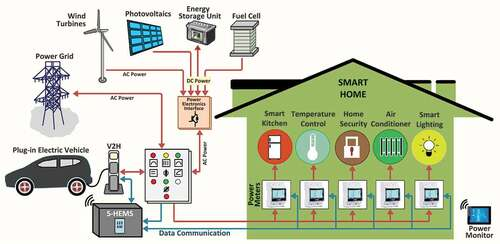
By integrating devices such as smart thermostats, lighting systems, and energy monitors, homeowners gain real-time insights into how much energy is being used, where it’s being wasted, and how to optimize usage without compromising comfort.
Benefits of Smart Home Energy Management
Implementing a smart home energy management system comes with a wide range of advantages:
1. Reduced Energy Bills
Smart systems can adjust heating, cooling, and lighting based on occupancy and weather conditions, reducing unnecessary energy consumption. For example, smart thermostats learn daily routines and automatically lower energy usage when no one is home.
2. Enhanced Comfort and Convenience
Automation allows homeowners to control appliances remotely via smartphones or voice commands. Imagine your lights dimming automatically at sunset or your air conditioner adjusting itself based on your comfort preferences—without lifting a finger.
3. Environmental Sustainability
By reducing energy waste, smart homes contribute to lower carbon emissions, supporting global sustainability efforts. Efficient energy use also reduces dependence on non-renewable energy sources.
4. Energy Usage Insights
Smart energy monitors provide detailed reports on energy consumption, highlighting areas where efficiency can be improved. This data-driven approach empowers homeowners to make informed decisions about energy-saving strategies.
5. Integration with Renewable Energy Sources
Smart energy management systems can integrate with solar panels and home batteries, allowing homeowners to store excess energy and reduce reliance on the grid. This synergy further enhances sustainability and cost savings.
Key Components of Smart Home Energy Management
To fully benefit from energy management, it’s essential to understand the key technologies and devices involved:
1. Smart Thermostats
Smart thermostats like Nest, Ecobee, and Honeywell are at the heart of energy management. These devices learn household routines and optimize heating and cooling schedules, reducing energy waste while maintaining comfort.
2. Smart Lighting Systems
Smart lighting systems, such as Philips Hue and LIFX, allow for automated scheduling, dimming, and remote control. Motion sensors can also ensure lights are only on when needed.
3. Smart Plugs and Appliances
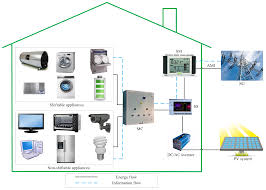
Smart plugs and appliances monitor energy usage and allow users to turn devices on or off remotely. This is particularly useful for high-energy appliances like water heaters, laundry machines, and ovens.
4. Energy Monitoring Systems
Advanced energy monitoring systems track electricity consumption in real-time, providing insights into energy-intensive devices. Some systems even suggest ways to reduce consumption and alert users to abnormal energy usage patterns.
5. Home Automation Hubs
A central hub like SmartThings, Apple HomeKit, or Amazon Alexa can integrate all smart devices into a single platform, allowing seamless control and automation.
How Smart Home Energy Management Works
Smart home energy management relies on a combination of sensors, artificial intelligence (AI), and automation to optimize energy usage. Here’s a simplified explanation of the process:
- Data Collection: Sensors and smart meters gather information about energy usage, room occupancy, temperature, and lighting conditions.
- Data Analysis: AI algorithms analyze the data to identify patterns and suggest energy-saving adjustments.
- Automation and Control: Based on analysis, devices automatically adjust settings, such as lowering the thermostat when no one is home or turning off unused appliances.
- User Feedback: Homeowners receive reports and recommendations via mobile apps or dashboards, allowing further manual optimization if desired.
Tips for Implementing Smart Energy Management in Your Home
Implementing a smart home energy management system may seem complex, but following these tips can make it easier and more effective:
1. Start with a Smart Thermostat
Investing in a smart thermostat is one of the simplest ways to reduce energy consumption. Many models can pay for themselves in energy savings within a year.
2. Upgrade to Energy-Efficient Appliances
Pair smart management with energy-efficient appliances to maximize savings. Look for ENERGY STAR-rated devices, which consume less energy and are compatible with smart systems.
3. Use Smart Plugs Strategically
Install smart plugs for devices that are frequently left on, like chargers, entertainment systems, or space heaters. Schedule them to turn off automatically when not in use.
4. Optimize Lighting
Replace traditional bulbs with LED smart bulbs and set automated schedules. Motion sensors can further prevent unnecessary energy use in rooms that are rarely occupied.
5. Monitor and Adjust Regularly
Use your energy monitoring system to track usage patterns. Identify high-energy devices and adjust schedules or behaviors accordingly. Continuous monitoring ensures long-term efficiency.
6. Integrate Renewable Energy Sources
If you have solar panels or a home battery system, integrate them with your smart energy management system. This maximizes the use of renewable energy and reduces grid dependency.
The Future of Smart Home Energy Management
The future of smart home energy management is bright, with new technologies emerging to make homes smarter, more energy-efficient, and environmentally friendly. Innovations such as AI-driven predictive energy management, machine learning optimization, and real-time demand response are poised to revolutionize how we use energy at home.
In the coming years, we can expect homes that not only adapt to our daily routines but also anticipate energy needs, interact with smart grids, and even trade excess energy with neighbors. This integration of technology and sustainability will play a crucial role in tackling global energy challenges.
READ ABOUT:
dowsstrike2045 python: A Complete Guide for Beginners and Developers
Conclusion
Smart home energy management is no longer a luxury—it’s a practical and essential solution for modern living. By leveraging technology, homeowners can reduce energy bills, improve comfort, and contribute to environmental sustainability. From smart thermostats to integrated renewable energy solutions, the possibilities for energy optimization are vast and accessible.
Investing in a smart energy management system is not just about savings; it’s about embracing a sustainable lifestyle that benefits both your home and the planet.