Mercer Labs Museum of Art and Technology is one of the most innovative cultural destinations in the modern world. Combining cutting-edge technology with immersive artistic experiences, it has redefined what it means to visit a museum. Unlike traditional museums, Mercer Labs offers interactive environments where visitors can engage with art through sight, sound, touch, and movement. This fusion of technology and creativity has made the museum a must-visit for art enthusiasts, tech lovers, and travelers seeking unique experiences.
In this article, we will explore the history, unique features, visitor experiences, and tips for planning a visit to Mercer Labs Museum of Art and Technology.
A New Kind of Museum
Mercer Labs is not a conventional museum filled with paintings and sculptures on display. Instead, it is an immersive space where art and technology merge. Spanning over 36,000 square feet, the museum invites visitors to interact with installations that respond to movement, sound, and touch. This makes every visit a dynamic and personal experience, encouraging exploration and curiosity.
The museum represents a shift from the traditional “look but don’t touch” approach to one where visitors actively participate, creating memories that are both emotional and sensory.
The Origins of Mercer Labs
Mercer Labs was co-founded by an artist known for multi-sensory work and an entrepreneur with experience in technology and luxury experiences. Their goal was to establish a space where creativity could meet innovation, resulting in a museum that continually evolves and challenges conventional boundaries.
The founders envisioned a museum that encourages visitors to feel art rather than just see it. This approach combines elements of interactive design, immersive visuals, and advanced technology to create environments that inspire and engage.
Where Art Meets Technology
The hallmark of Mercer Labs is its seamless integration of art and technology. Visitors can expect to encounter:
- Interactive digital systems that respond to movement
- Projection mapping and LED displays creating immersive visuals
- 4D soundscapes that surround visitors in dynamic audio
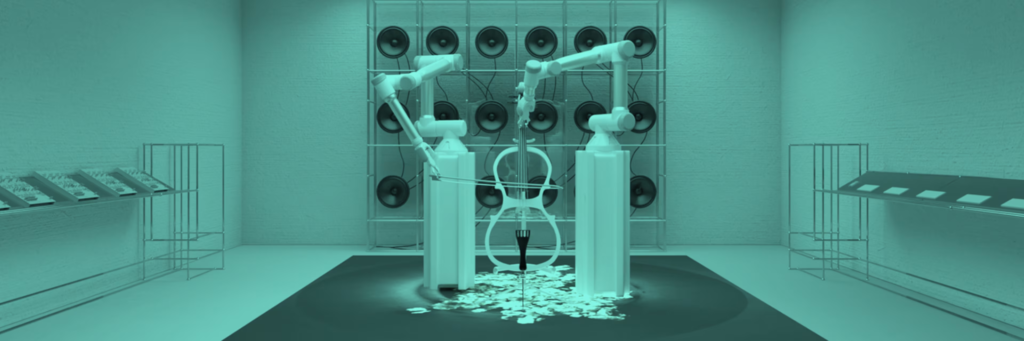
- Kinetic and motion-sensitive installations
- Tactile environments for a hands-on experience
By combining these elements, the museum creates experiences that are not just seen but felt, allowing visitors to engage with art in a fully immersive way.
What Visitors Can Expect
The museum offers a wide range of experiences, often with rotating exhibits and seasonal installations. Most visits last between 60 and 90 minutes, although some visitors stay longer to fully explore every room.
Multi-Sensory Rooms
Mercer Labs features rooms designed to engage multiple senses. Visitors may encounter interactive light displays, sound installations, and tactile exhibits that respond to motion and touch. These spaces make each visit unique and allow guests to experience art in ways that go beyond traditional observation.
Headline Exhibitions
The museum often hosts headline exhibitions that combine classical art concepts with modern technology. These exhibitions reinterpret historical masterpieces through immersive installations, allowing visitors to experience familiar works in entirely new ways.
Interactive Digital Creation
Visitors can also contribute creatively to some installations. For example, simple sketches or movements can be transformed into digital animations that become part of the exhibit. This participatory approach ensures every guest leaves with a personal connection to the artwork.
4D Soundscapes
Another highlight is the museum’s 4D sound gallery, which uses surround sound to create dynamic audio environments. These experiences are designed to be both emotionally stimulating and meditative, engaging visitors on a deeper sensory level.
Design Philosophy
Mercer Labs operates on the principle that art should be experienced, not just observed. By removing barriers between visitor and artwork, the museum encourages exploration, creativity, and reflection. The design incorporates sensory elements such as touch, sound, and motion, creating a multi-dimensional experience that appeals to people of all ages.
This philosophy also makes the museum particularly appealing to younger audiences and digital natives, who often prefer interactive and immersive environments over static displays.
Accessibility and Inclusivity
Mercer Labs places a strong emphasis on accessibility. The museum is fully ADA-compliant, offering elevators, accessible restrooms, and accommodations for service animals. This ensures that all visitors, regardless of physical ability, can enjoy the museum’s interactive exhibits.
However, because of immersive effects such as flashing lights and loud audio, visitors sensitive to such stimuli should plan their visit carefully to ensure comfort.
Visitor Reviews and Public Perception
Visitors have described Mercer Labs as futuristic, captivating, and innovative. Many highlight the museum’s visually striking spaces and interactive nature, which make it perfect for photography, storytelling, and social media sharing.
Some visitors note that while the experiences are thrilling and memorable, the narrative or message behind certain installations may be less obvious than in traditional museums. This reflects the museum’s approach: it is more about personal engagement and sensory experience than conventional interpretation.
Why Mercer Labs Matters
Mercer Labs is significant for several reasons:
Innovation in Museum Culture
It represents a new era of museum design, moving away from static displays and toward interactive, immersive environments.
Engaging Multiple Generations
The museum appeals to a wide range of audiences, including families, tech enthusiasts, artists, and travelers seeking novel experiences.
Bridging Art and Technology
Mercer Labs challenges traditional boundaries by demonstrating how technology can enhance creativity and redefine artistic engagement.
Inspiration for Creatives
Artists and designers see the museum as a source of inspiration for integrating technology into their own creative processes.
Planning Your Visit
Here are some practical tips for visiting Mercer Labs Museum of Art and Technology:
Location
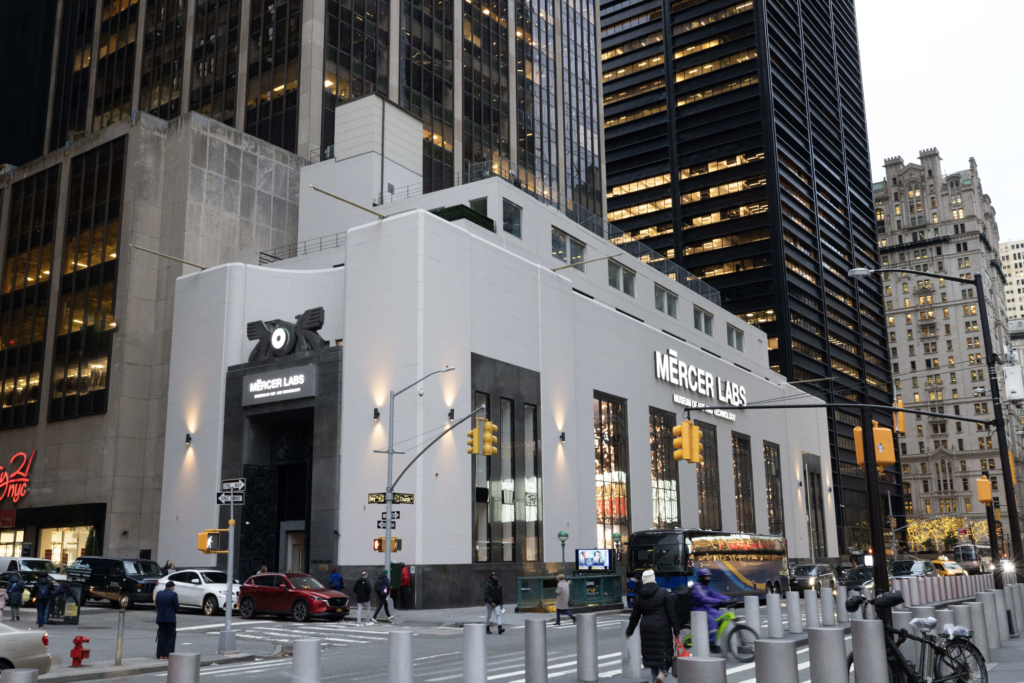
The museum is located in a central urban area, making it accessible for both local visitors and tourists. It is often near other cultural and historical attractions, allowing for a full day of exploration.
Best Time to Visit
Weekday mornings or early afternoons are ideal for avoiding crowds. Evenings and weekends tend to be busier, so plan accordingly if you prefer a quieter experience.
Ticketing and Duration
Tickets can be purchased in advance. Most visitors spend 60–90 minutes inside, but those interested in fully exploring all interactive elements may stay longer.
Dress Code
Comfortable shoes and clothing are recommended since visitors move through different sensory and interactive environments.
Accessibility Notes
While the museum is fully accessible, some installations may include bright lights or strong sounds, so guests with sensitivities should plan accordingly.
READ ABOUT:
IronMartOnline Reviews: Is It Worth Your Money?
Conclusion
Mercer Labs Museum of Art and Technology is redefining the museum experience. By fusing art, design, and technology, it offers immersive, interactive experiences that challenge conventional ideas about art. It appeals to diverse audiences, including art lovers, tech enthusiasts, and travelers looking for unique cultural experiences.
For anyone curious about the future of art and museums, Mercer Labs provides a memorable, sensory-rich adventure that demonstrates the limitless possibilities of creativity when technology and human experience intersect.
Frequently Asked Questions (FAQ)
1. What is Mercer Labs Museum of Art and Technology?
Mercer Labs is an innovative museum that combines art and technology, offering interactive, immersive, and multi-sensory experiences for visitors of all ages.
2. Where is Mercer Labs located?
The museum is located in New York City, making it easily accessible to both locals and tourists.
3. What can visitors expect at Mercer Labs?
Visitors can explore interactive digital installations, 4D soundscapes, projection mapping, and tactile exhibits that respond to movement and touch.
4. How long does a visit usually take?
Most visitors spend 60–90 minutes, but those who want to fully explore all immersive experiences may stay longer.
5. Is Mercer Labs suitable for families and children?
Yes, Mercer Labs is family-friendly and offers interactive experiences suitable for children, teens, and adults.
6. Is the museum accessible for people with disabilities?
Yes, the museum is fully ADA-compliant, with elevators, accessible restrooms, and accommodations for service animals.
7. Are there any sensory considerations to keep in mind?
Some installations feature bright lights, flashing effects, or loud audio, so visitors sensitive to these should plan accordingly.
8. Can visitors interact with the art?
Absolutely. Mercer Labs encourages hands-on participation, including creating digital art and engaging with motion-activated exhibits.
9. Do the exhibitions change regularly?
Yes, Mercer Labs often hosts rotating exhibits, so each visit can offer new and unique experiences.
10. How can I buy tickets for Mercer Labs?
Tickets can be purchased in advance online or at the museum, and it’s recommended to book ahead to ensure entry, especially on weekends or holidays.