Identity theft has become one of the fastest-growing crimes in the modern world. As more of our personal, financial, and professional lives move online, criminals are finding new ways to steal identities and misuse sensitive information. From bank fraud and credit card scams to fake loans and hacked social media accounts, the impact of identity theft can be devastating.
The good news is that identity theft prevention is possible. By understanding how identity theft happens and taking proactive steps, you can significantly reduce your risk. This guide explains everything you need to know about identity theft prevention in simple terms, helping you stay safe in today’s digital environment.
What Is Identity Theft?
Identity theft occurs when someone steals your personal information and uses it without your permission. This information may include your name, date of birth, address, bank details, credit card numbers, login credentials, or government identification numbers.
Once criminals have access to this data, they can open new accounts, apply for loans, make purchases, or even commit crimes in your name. Victims often discover identity theft only after noticing unusual transactions or receiving calls from lenders they never contacted.
Why Identity Theft Prevention Is Important
Identity theft can cause long-term financial and emotional damage. Recovering from it often requires months or even years of effort. Some of the major consequences include:
- Financial loss due to unauthorized transactions
- Damage to credit scores
- Legal issues caused by crimes committed in your name
- Stress, anxiety, and loss of trust
- Time-consuming recovery processes
Identity theft prevention helps you avoid these problems by securing your personal information before criminals can exploit it.
Common Types of Identity Theft
Understanding different types of identity theft is essential for effective prevention.
Financial Identity Theft
This is the most common type. Criminals use stolen information to access bank accounts, credit cards, or loans.
Medical Identity Theft
Thieves use your identity to receive medical treatment, which can corrupt your medical records and billing history.
Criminal Identity Theft
Someone commits a crime using your identity, leaving you to deal with legal consequences.
Social Media and Online Account Theft
Hackers take control of your social accounts to scam others or steal more personal information.
Synthetic Identity Theft
Criminals combine real and fake information to create a new identity, often making it harder to detect.
How Identity Theft Happens
Identity thieves use various methods to steal information. Being aware of these tactics is a key part of identity theft prevention.
Phishing Scams
Fake emails, messages, or websites trick users into sharing sensitive details.
Data Breaches
Hackers steal data from companies, exposing millions of users’ information.
Public Wi-Fi Attacks
Unsecured networks allow hackers to intercept personal data.
Malware and Spyware
Malicious software records keystrokes or steals stored information.
Physical Theft
Lost wallets, stolen mail, or discarded documents can provide valuable data.
Essential Identity Theft Prevention Tips
Protect Your Personal Information
Never share sensitive details unless absolutely necessary. Avoid posting personal information such as birth dates, phone numbers, or addresses on public platforms.
Use Strong and Unique Passwords
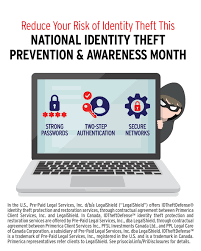
Create complex passwords using a mix of letters, numbers, and symbols. Avoid using the same password across multiple accounts. Password managers can help store them securely.
Enable Two-Factor Authentication
Two-factor authentication (2FA) adds an extra layer of security by requiring a second verification step, such as a code sent to your phone.
Secure Your Devices
- Use antivirus and anti-malware software
- Keep operating systems and apps updated
- Lock devices with PINs, passwords, or biometric security
Identity Theft Prevention for Online Activities
Shop Safely Online
Only shop on secure websites with HTTPS encryption. Avoid saving payment details on unknown platforms.
Beware of Phishing Emails
Do not click on suspicious links or download unknown attachments. Legitimate companies rarely ask for sensitive information via email.
Use Secure Internet Connections
Avoid logging into financial accounts on public Wi-Fi. If necessary, use a trusted VPN for extra protection.
Protecting Your Financial Information
Monitor Bank and Credit Card Statements
Check your statements regularly for unusual transactions. Early detection can prevent further damage.
Set Up Transaction Alerts
Many banks offer alerts for transactions, login attempts, or balance changes. These alerts help you respond quickly to suspicious activity.
Limit Credit Exposure
Only carry necessary cards and documents. The fewer accounts you have, the lower your risk.
Credit Monitoring and Identity Theft Prevention
Credit monitoring is a powerful tool for identity theft prevention.
Check Your Credit Reports
Review your credit reports regularly to identify unauthorized accounts or inquiries.
Place a Fraud Alert
Fraud alerts warn lenders to verify your identity before approving credit applications.
Consider a Credit Freeze
A credit freeze prevents new credit from being opened without your consent, offering strong protection.
Identity Theft Prevention for Social Media Users
Social media platforms can expose a lot of personal information if not managed carefully.
- Set profiles to private
- Limit who can see your posts
- Avoid sharing travel plans in real time
- Be cautious of friend requests from unknown people
Cybercriminals often use social media to gather details for impersonation.
Protecting Children and Seniors from Identity Theft
Identity Theft Prevention for Children
Children’s identities are attractive to criminals because fraud can go undetected for years.
- Avoid sharing children’s personal details online
- Store documents securely
- Monitor for unusual mail or financial activity
Identity Theft Prevention for Seniors
Seniors are often targeted through phone scams and emails.
- Educate them about common scams
- Encourage skepticism toward unsolicited calls
- Help manage passwords and online security
What to Do If You Become a Victim of Identity Theft
Even with strong identity theft prevention measures, breaches can still happen. Acting quickly is critical.
Report the Fraud Immediately
Contact banks, credit card companies, and relevant institutions to freeze or secure accounts.
Change All Passwords
Update passwords for all affected accounts, starting with financial services.
Monitor Your Credit Closely
Watch for new activity and consider placing a fraud alert or credit freeze.
Keep Records
Document all communication and actions taken. This will help during recovery and disputes.
Long-Term Identity Theft Prevention Habits
Identity theft prevention is not a one-time task—it’s an ongoing process.
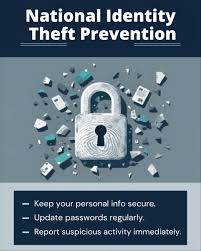
- Regularly update passwords
- Shred sensitive documents
- Review privacy settings
- Stay informed about new scams
- Educate family members about online safety
Consistency is key to maintaining long-term protection.
The Role of Technology in Identity Theft Prevention
Modern technology offers advanced tools to fight identity theft.
Biometric Security
Fingerprint and facial recognition add an extra security layer.
AI-Powered Fraud Detection
Many banks use artificial intelligence to detect suspicious behavior in real time.
Secure Cloud Storage
Encrypted cloud services protect sensitive documents from unauthorized access.
Using these tools wisely strengthens your identity theft prevention strategy.
READ ABOUT:
TitaniumInvest.com Stock Market – Complete Guide for Smart Investors
Final Thoughts on Identity Theft Prevention
Identity theft is a serious threat, but it doesn’t have to control your life. By understanding how identity theft happens and adopting smart prevention strategies, you can protect your personal and financial information effectively.
Identity theft prevention starts with awareness and continues with consistent habits. From strong passwords and secure browsing to credit monitoring and cautious sharing, every step you take makes it harder for criminals to succeed.
In today’s digital world, protecting your identity is just as important as protecting your physical property. Stay alert, stay informed, and make identity theft prevention a priority.
Frequently Asked Questions (FAQ) – Identity Theft Prevention
What is identity theft prevention?
Identity theft prevention refers to the steps and practices used to protect personal, financial, and online information from being stolen or misused by criminals.
How can I prevent identity theft?
You can prevent identity theft by using strong passwords, enabling two-factor authentication, avoiding suspicious emails, monitoring bank statements, and protecting personal information online.
What are the most common signs of identity theft?
Common signs include unauthorized transactions, unknown accounts on your credit report, unexpected bills, denied credit, and alerts from banks about suspicious activity.
Is identity theft prevention really necessary?
Yes, identity theft prevention is essential because identity theft can lead to financial loss, damaged credit, legal problems, and long-term stress if not addressed quickly.
How does identity theft happen online?
Identity theft often happens online through phishing emails, fake websites, malware, public Wi-Fi attacks, and data breaches that expose personal information.
Can strong passwords help prevent identity theft?
Yes, strong and unique passwords significantly reduce the risk of hackers accessing your accounts and stealing your personal information.