In today’s digital world, communication happens through various channels, but phone calls remain a primary mode of personal and business interaction. Have you ever received a call from an unknown number and wondered who was on the other end? This is where reverse phone lookup comes in. In this article, we will explore everything about reverse phone lookup, how it works, its benefits, and tips for using it safely and effectively.
What is Reverse Phone Lookup?
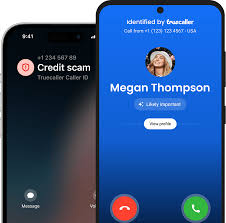
A reverse phone lookup is a method of identifying the owner of a phone number. Unlike a standard phone lookup, where you search using a person’s name, a reverse lookup works the other way around. By entering a phone number into a reverse lookup service, you can discover information such as:
- The name of the person or business associated with the number
- The location linked to the number
- Whether the number is a mobile, landline, or VoIP
- Potential spam or scam warnings
This service is helpful in various situations, from identifying missed calls to preventing scams.

How Does Reverse Phone Lookup Work?
Reverse phone lookup services collect data from multiple sources to provide information about a phone number. Some common sources include:
- Public records: These include government databases and telephone directories.
- Social media profiles: Many people link their phone numbers to social media accounts.
- Commercial databases: Companies compile data from marketing lists, subscriptions, and online activities.
When you enter a number, the service matches it against these sources to reveal details. Depending on the service, you might get basic information for free or detailed reports at a small fee.
Free vs. Paid Reverse Phone Lookup
Not all reverse phone lookup services are the same. They generally fall into two categories:
Free Services
- Offer basic information like location and carrier
- May provide limited or outdated data
- Useful for quickly identifying unknown numbers
Paid Services
- Provide full details including names, addresses, social media profiles, and call history
- Often include reports on spam, fraud, or telemarketing activity
- Ideal for businesses or individuals who require accurate and comprehensive information
Choosing between free and paid services depends on your needs. For simple curiosity, free services may suffice. For safety, security, or business purposes, paid services are more reliable.
Benefits of Reverse Phone Lookup
Reverse phone lookup offers numerous advantages for both personal and professional use:
1. Identify Unknown Callers
Avoid unwanted calls and identify potential threats by knowing who is calling before answering.
2. Protect Against Scams
Scammers and telemarketers often use random numbers. Reverse phone lookup helps verify the legitimacy of calls.
3. Reconnect with Lost Contacts
If you have an old phone number without a contact name, reverse lookup can help you reconnect with friends, family, or colleagues.
4. Business Use
Companies use reverse phone lookup to verify customer information, prevent fraud, and ensure smooth communication.
How to Perform a Reverse Phone Lookup
Performing a reverse phone lookup is simple:
- Choose a reliable service: There are many options online; select one with good reviews.
- Enter the phone number: Type the number into the search bar of the service.
- View the results: The service will provide details such as the name, location, and type of number.
- Take action if needed: If the number is suspicious, you can block it or report it.
Some popular reverse phone lookup services include Whitepages, TrueCaller, Spokeo, and BeenVerified.
Tips for Using Reverse Phone Lookup Safely
While reverse phone lookup is generally safe, it’s important to follow some best practices:
- Use reputable services: Avoid shady websites that request excessive personal information.
- Respect privacy laws: Some information may be private; use it responsibly.
- Beware of scams: Some “reverse lookup” sites are scams themselves. Always check reviews before using.
- Avoid frequent lookups on the same number: Overuse can trigger security flags or violate terms of service.
Reverse Phone Lookup and Privacy
Privacy is a major concern when using reverse phone lookup services. Many services collect data from multiple sources, which means some information about you might be accessible online. To protect your privacy:
- Keep your phone number private whenever possible
- Avoid sharing your number on public platforms
- Opt-out from online directories if available
Being aware of your digital footprint helps you control who can access your phone information.
Limitations of Reverse Phone Lookup
Despite its usefulness, reverse phone lookup is not perfect. Some limitations include:
- Incomplete information: Some numbers, especially new or VoIP numbers, may not appear in databases.
- Outdated data: Free services may provide outdated information.
- Privacy restrictions: Certain personal numbers are protected and cannot be traced.
- International numbers: Reverse lookup services are often country-specific, so international numbers may not yield results.
Understanding these limitations helps manage expectations when using reverse phone lookup services.
READ ABOUT:
5starsstocks.com Stocks — A Complete Guide for Investors in 2026
Conclusion
A reverse phone lookup is an essential tool for anyone looking to identify unknown callers, protect themselves from scams, or reconnect with old contacts. By understanding how it works, choosing the right service, and using it responsibly, you can make the most of this technology. Whether for personal safety or business security, reverse phone lookup is a simple and effective way to take control of your communications.
FAQ About Reverse Phone Lookup
Q1: Is reverse phone lookup legal?
Yes, reverse phone lookup is legal when used for legitimate purposes. Avoid using it for harassment or fraud.
Q2: Can I find a cell phone number using reverse lookup?
Yes, many services can identify cell phone numbers, though some mobile numbers may be unlisted.
Q3: Are reverse phone lookup results accurate?
Accuracy depends on the service. Paid services are generally more accurate than free options.
Q4: Can I do reverse phone lookup for international numbers?
Some services support international numbers, but availability varies by country.
Q5: How can I protect my number from reverse lookup?
Limit sharing your number online and opt-out of public directories when possible.